Kyoto Minimalist Havens: Sacred Wooden Inns and Temple Sanctuaries
An appreciation of Japanese spatial geometry, seasonal stillness, and timeless craftsmanship.
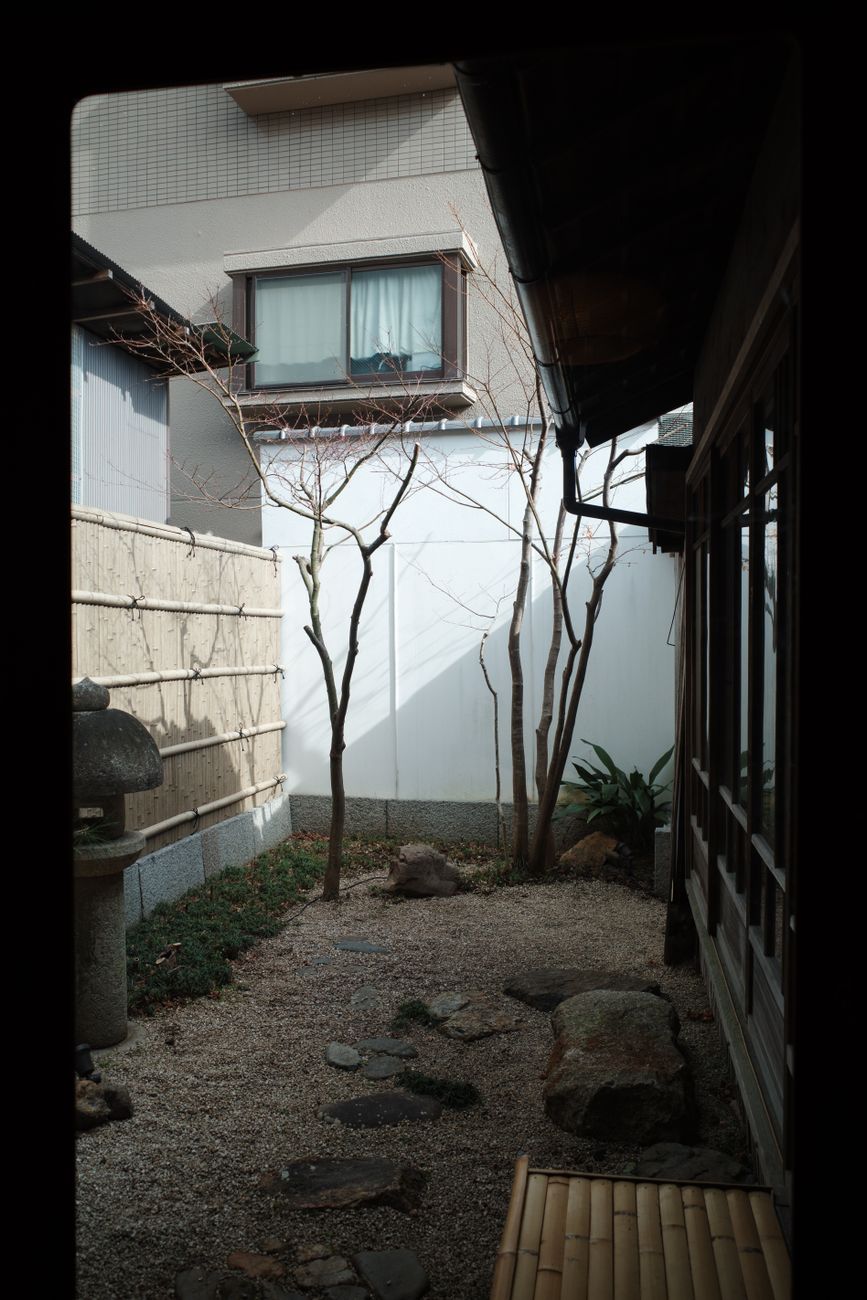
"In darkness we find depth, in wood we find memory." Within an historic machiya in Kyoto's northern ward, light does not flood; it filters through shoji screens with quiet deliberation.
The Architectural Elegance of Ma (Negative Space)
Western luxury frequently equates prestige with ornamentation and scale. Japanese classical design, conversely, strips away every superfluity until only the essential geometry remains. In traditional ryokans, tatami mats woven from soft rush reed dictate room proportions, grounding inhabitants into a natural cadence.
Walking barefoot across polished cedar verandas in Daitoku-ji reveals a quiet acoustic perfection. The courtyard outside does not compete for attention; moss patches are nurtured with painstaking care, and a single granite basin catches drops from a hollow bamboo culm.
Sensory Rhythms of the Kaiseki Banquet
At dusk, the meal served is not mere sustenance, but an edible calendar. Ceramic dishes made centuries ago host tiny arrangements of pickled burdock root, matsutake broth served in earthen teapots, and seasonal sweetfish grilled over binchotan coals. Each plate honors the exact week of harvest.
- Temple Etiquette: Remove footwear immediately at the genkan step; tread softly upon tatami to preserve fiber integrity.
- Morning Chants: Attend dawn meditation at Nanzen-ji to witness monks sweep gravel gardens in concentric meditative circles.
- Seasonal Contrast: While maple foliage in late November is celebrated, winter snowfall yields a far deeper silence.
Preserving Craftsmanship in an Age of Speed
In conversation with a fifth-generation joiner in Higashiyama, we observed how hinoki cypress beams are fitted together without a single nail. "Wood continues to breathe long after it is shaped," he reflected. This profound humility toward materials defines Kyoto's architectural longevity.
Editorial Recommendation
Avoid the midday tour queues at Arashiyama by arranging lodging in residential Gion or suburban Kurama. Allow yourself an entire morning to sit on an engawa veranda without checking a smartphone.